


At the bottom of this page: Latest news at this hour.
IRGC remains intact… Italy sending aid to Gulf states and Cyprus… China halts gas exports… Qatar suspends gas liquefaction… Iran threatens Israel nuclear facilities.

Editor’s note:
Reporters at our sister publication, The Counteroffensive, have lived under missile and drone strikes for years in Ukraine.
That experience brings a critical perspective to our reporting on Iran.
If you care about this work, subscribe for free now.
Among dense trees, on the bank of the Dnipro River – the main artery through Kyiv – sits a ship.
But instead of sailors, its crew is a group of judges who, once every two weeks, become air defense soldiers. This is no ordinary vessel. Instead of oars, it carries machine guns.
“They brought us here for the romance,” said Vitalii Zuiev, a Ukrainian supreme court judge, looking up at the starry sky above the city. “Look — there’ll be a river, a ship, we’ll have it all. But the Shaheds will be coming over the Dnipro, and you’ll be the ones meeting them.”
That night was unusually calm. Hardly any Shahed drones were flying over Ukraine, allowing air defense servicemen to catch their breath, if only for a moment.
Silence is a rarity for them.
In the last week, it has become rare in the Middle East as well. Just a few weeks after The Counteroffensive visited the capital’s air defense positions, the world would be stunned by waves of deadly drones thousands of kilometers away from Ukraine.
Suddenly, other countries are asking Ukraine to stop them.
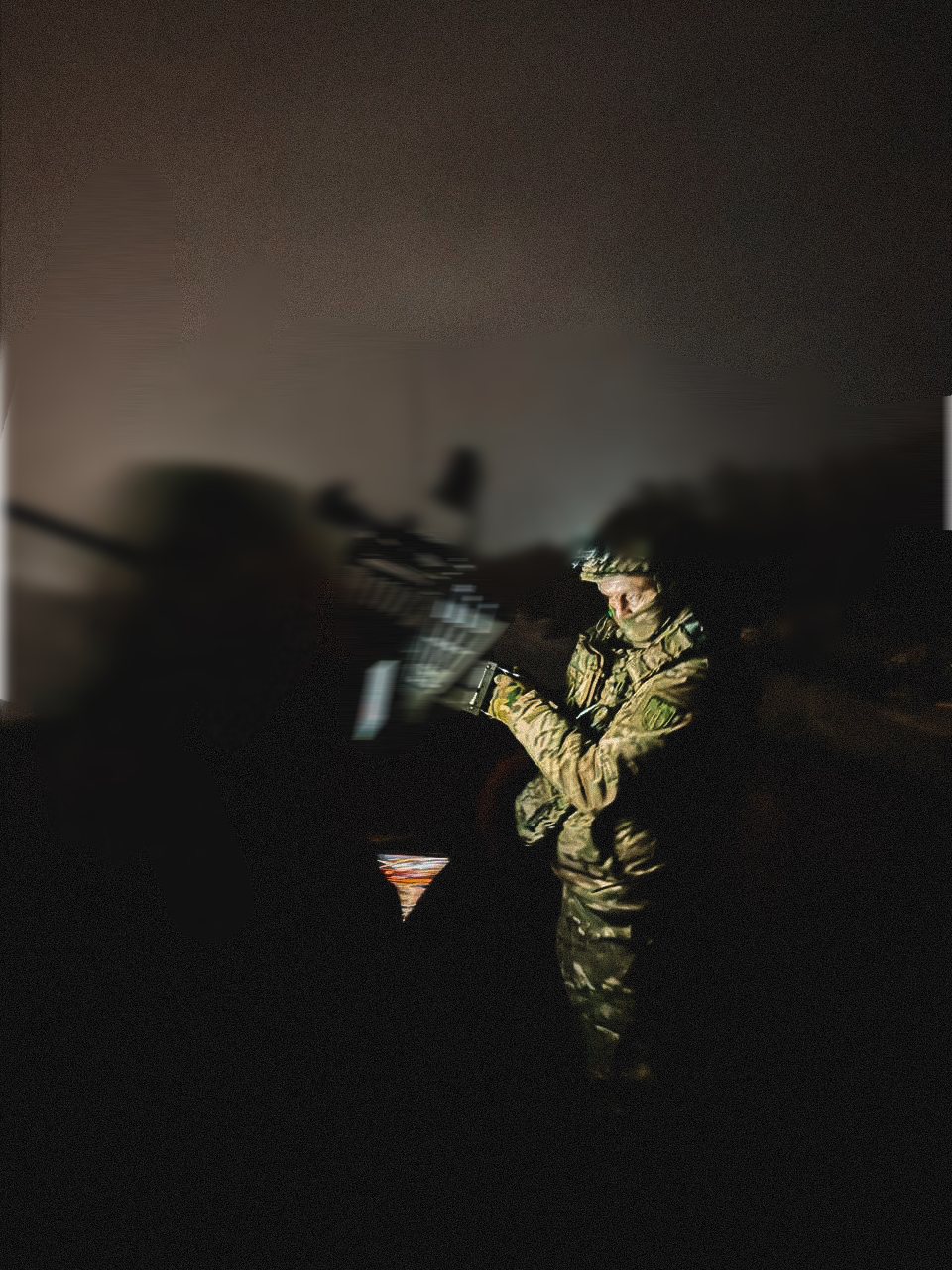
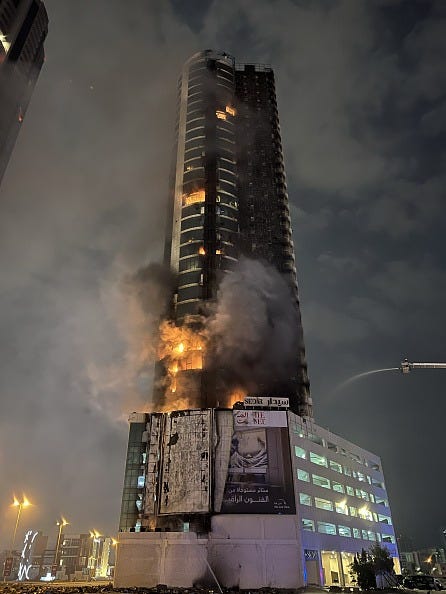
After the U.S. and Israel launched a war on Saturday, Iran started imitating Russia’s tactic of combined mass strikes using Shahed drones and ballistic missiles. By deploying cheap, small drones, Iran is exhausting the air defense systems of the U.S. and other Middle Eastern countries, making interceptions by Western systems costly and inefficient.
This Wednesday Volodymyr Zelenskyy said Ukraine will send its experts who specialize in shooting down Shahed drones to the Middle East. As the country which experienced the most extensive drone attacks in the world, Ukraine’s air defense managed to gain Shahed interception rates of up to 90 percent.
The escalation in the Middle East has demonstrated that Ukraine is much more than a country in need of aid to repel Russian aggression. It is also an equal partner capable of its tremendous battlefield experience.
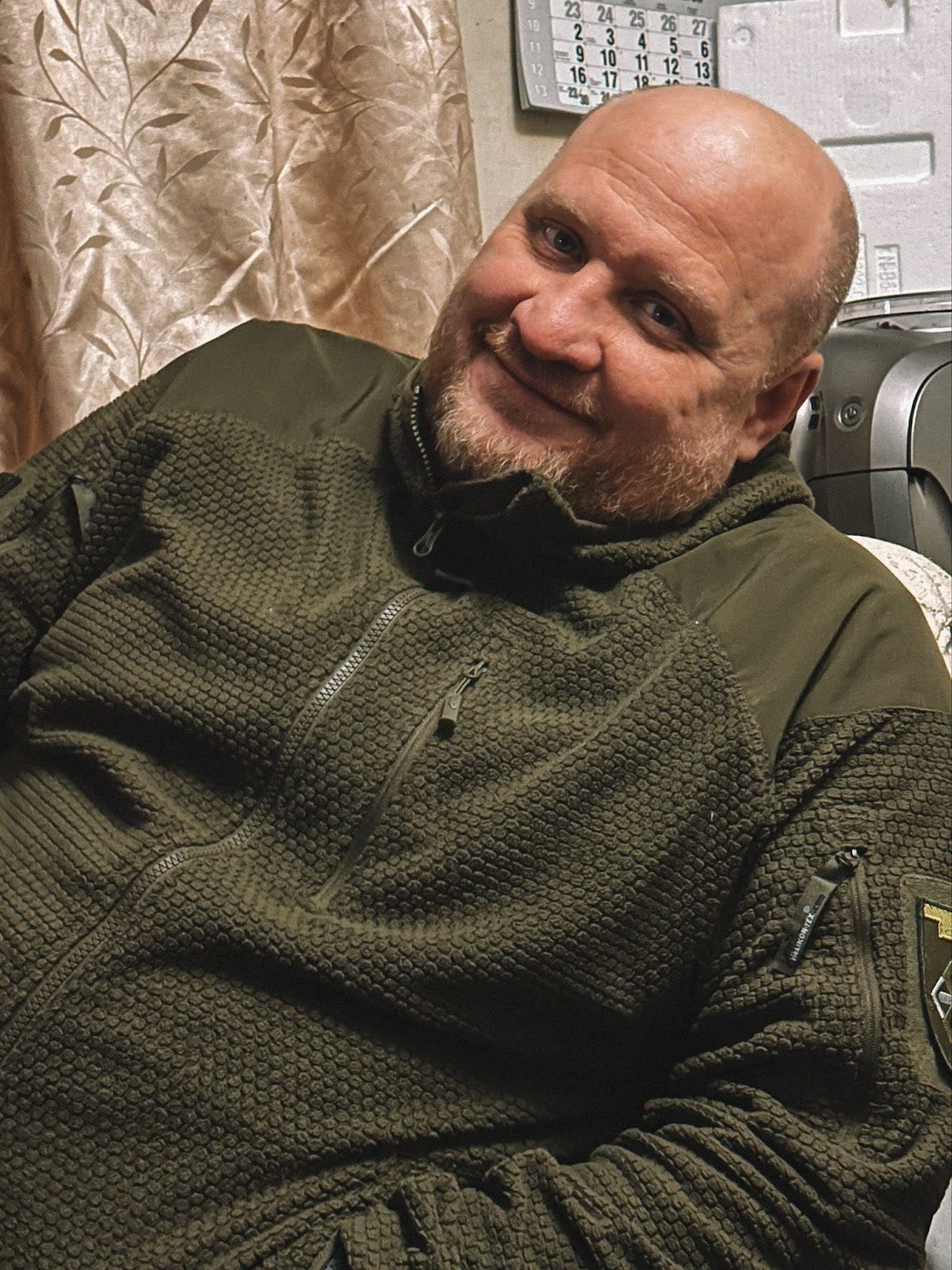
Before February 2022, Ukrainian Supreme Court Judge Yurii Chumak lived a comfortable life. He even managed to go on vacation with his wife several times, though by then he had already bought himself a helmet and a thousand rounds of ammunition.
In the first days of the full-scale invasion, the city emptied before his eyes, turning gray, unusually quiet and bristling with concrete anti-tank obstacles. His acquaintance, Vitalii Zuiev, told him that a battalion was being formed in Kyiv of about 400 servicemen, several dozen of them judges. Then volunteers guarded strategic sites with rifles — government buildings, prosecutors’ offices, hospitals and maternity wards.
“We were the ‘third’ line of defense,” Vitalii Zuiev said. “They told us we would be called in when things got really bad.”
When Russian forces withdrew from Kyiv, their role changed. The volunteers began helping with the city’s air defense, guarding their assigned sector along the river.
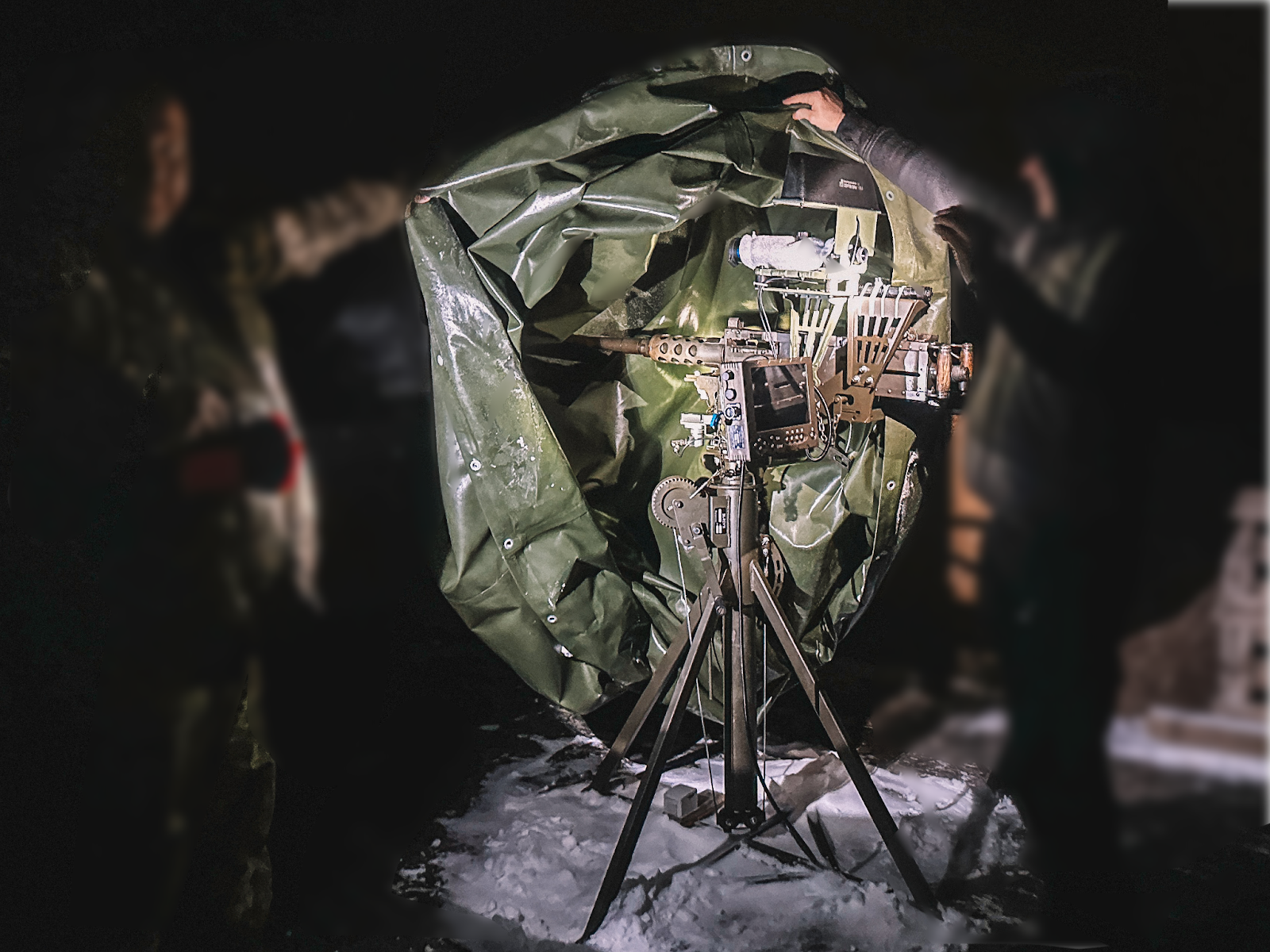
The judges settled on an old decommissioned ship. They brought in old furniture from their homes and set up monitors to watch for enemy targets entering the airspace. Above the vessel, they built makeshift structures with their own hands to mount three machine guns — the same guns they now use to shoot down Shahed drones.
“These aesthetes, these Supreme Court judges, were cleaning with a rag the walls and the floors,” said one of those judges, Nataliia Kovalenko, who also serves in the battalion just from the start.
Since the fall of 2022, when Russia first began launching Iranian Shahed drones at Ukraine and attacking its energy infrastructure, the judges have worked on a rotating schedule, taking shifts once every two weeks. They ask for time off from their day jobs and take up 24-hour duty, monitoring the airspace for threats.
If things are relatively calm, they drink tea in the kitchen or rest in their ship’s ‘cabins.’ But the moment Shahed drones start approaching, chaos erupts on the ship — they have to throw on body armor and helmets and rush upstairs to the machine guns.

“Ten years ago we used to go hiking, and a sleeping mat and a couple of pine trees were enough to sleep well through the night. Now there’s even a bed here, but the next day you still feel completely drained,” Vitalii said.
After more than four years of aggression from Moscow, the Iranian-designed drones have undergone constant upgrades. Those improvements now help not only Russia but also Iran wage its own fight against the United States and countries in the Middle East.
Iran started developing its drones in the 1980s, when it came under sanctions and started producing weapons based on stolen Western designs. Economic isolation prevented the country from building advanced aircraft, but it found a way to focus on drone manufacturing instead. By the 2010s, the first Shahed models had entered Iran’s arsenal and were used in its military operations across the Middle East, gradually undergoing upgrades.
Now Shaheds are relatively small drones about 3.5 meters long with a wingspan of roughly 2.5 meters, capable of flying up to 2,500 kilometers. That range is enough to strike military targets or critical infrastructure not only in Ukraine, but as far away as Cyprus in the Mediterranean.
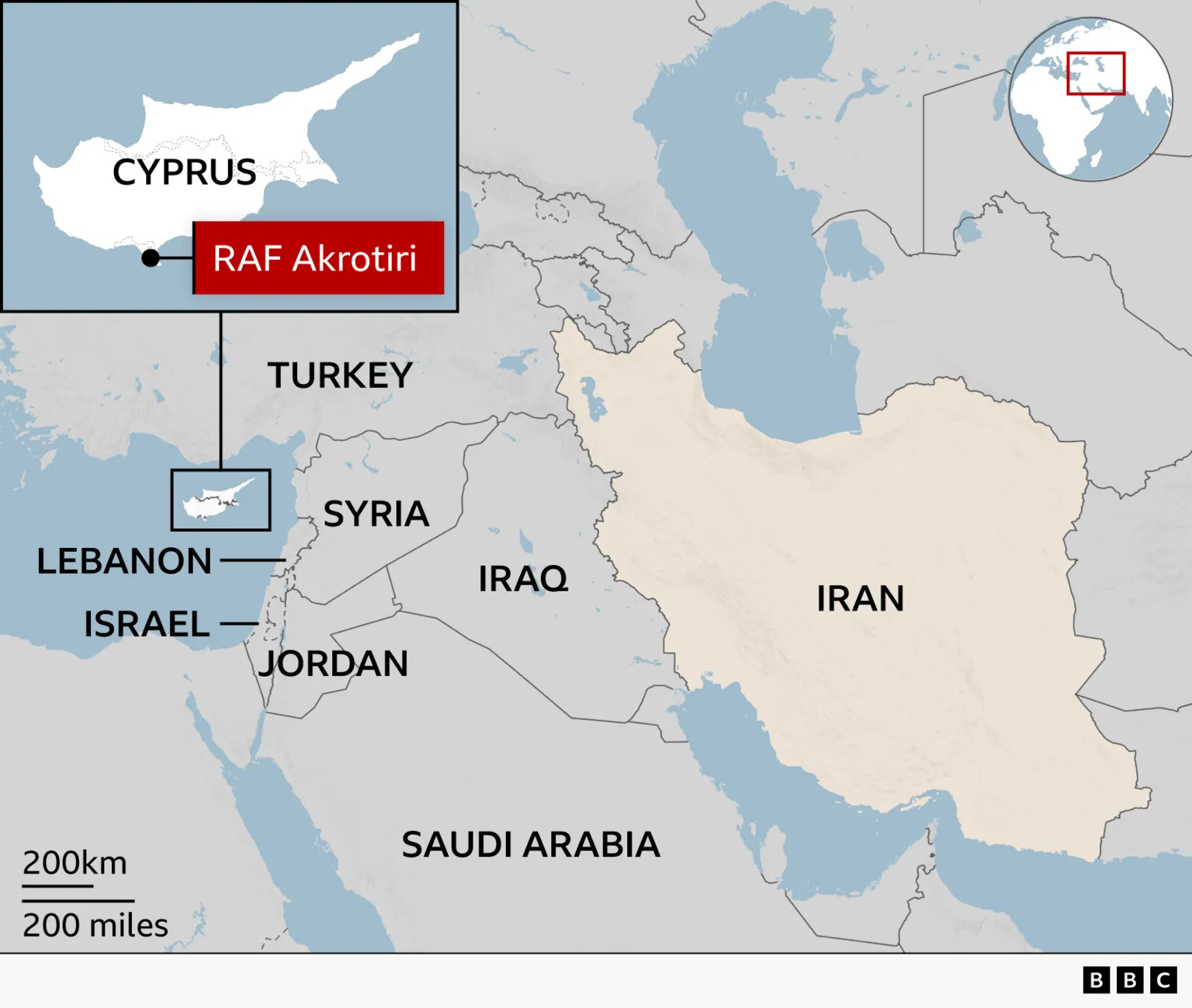
While Shaheds are much slower than ballistic missiles (of which Iran has relatively limited stockpiles), their large numbers allow Iran and Russia to overwhelm air defenses.
Ukraine, which is unable to afford to use costly Patriot missiles or F-16 fighter jets, has built a multi-layered air defense system. Shahed drones are hunted by mobile fire units mounting machine guns on pickup trucks, as well as electronic warfare specialists who jam the drones to knock them off course.
“A Shahed is actually quite hard to shoot down because it has several vulnerable points — the explosive payload, the engine and the control elements. It’s like a big double-door refrigerator. But those vulnerable spots are small. So you can pepper it, you might even see hits, but it can still keep flying,” Vitalii said.
Shooting down Shahed drones is usually a team effort. Air defense units are allowed to fire only within their assigned sectors to avoid hitting residential buildings. One group may damage a drone, while another finishes it off. Russia constantly tries to reroute the drones to bypass known military positions.
The judges often joke bitterly when a Shahed drone hits somewhere nearby, wondering whether their battalion can count it as a ‘downed’ drone.
“One of our colleagues went to a bomb shelter with his wife during an air raid,” Vitalii said. “When he came back, the apartment had burned down, and a Shahed engine was lying inside. He asked if it could be counted as a shootdown.”
As Yurii explained, sometimes air defense crews simply do not spot a Shahed in their sector quick enough. And when they do aim, they have to shoot ahead of the drone rather than directly at it. Otherwise, by the time the bullets reach it, the drone is already gone.
According to Yurii, artificial intelligence could calculate those trajectories and automatically guide machine guns onto the target. But he and his fellow volunteers cannot afford to buy such a system on their own yet.
The most significant breakthrough Ukrainian forces have made in taking down Shaheds is the design of interceptor drones. These low-cost drones can detect and neutralize Shahed drones using AI. In Kyiv alone, interceptor drones have shot down about 70 percent of the kamikaze drones launched by Russia. Ukraine has the potential to share this technology with Western partners.
U.S. officials now believe its air defense systems might fail to reliably intercept Iranian drones. Since the drones fly lower and slower than ballistic missiles, they can more easily evade traditional air defenses. The Pentagon and at least one Persian Gulf country have reportedly already begun talks with Kyiv to buy interceptor drones.
“The issue is not that the United States or wealthy Arab countries lack the means to shoot them [Shaheds] down… but those are all expensive systems. They don’t have cheap ones. We do,” said Yurii.
At the same time, the high intensity of the fighting is rapidly depleting stocks of interceptor missiles for American Patriot systems, which are critical for Ukraine’s ability to defend its skies from Russian missile strikes.
This winter, Kyiv briefly ran out of Patriot missiles when temperatures dropped to minus 20 degrees Celsius, nearly triggering a humanitarian disaster as Russia launched devastating attacks on the country’s energy infrastructure.
“On Jan. 6 we were standing there, and missiles were just flying in one after another. Almost nothing was being shot down — not because people weren’t firing or weren’t hitting their targets, but because, it seemed, there were already no missiles left in stock. We were watching it all, flying in and exploding,” Yurii recalled.
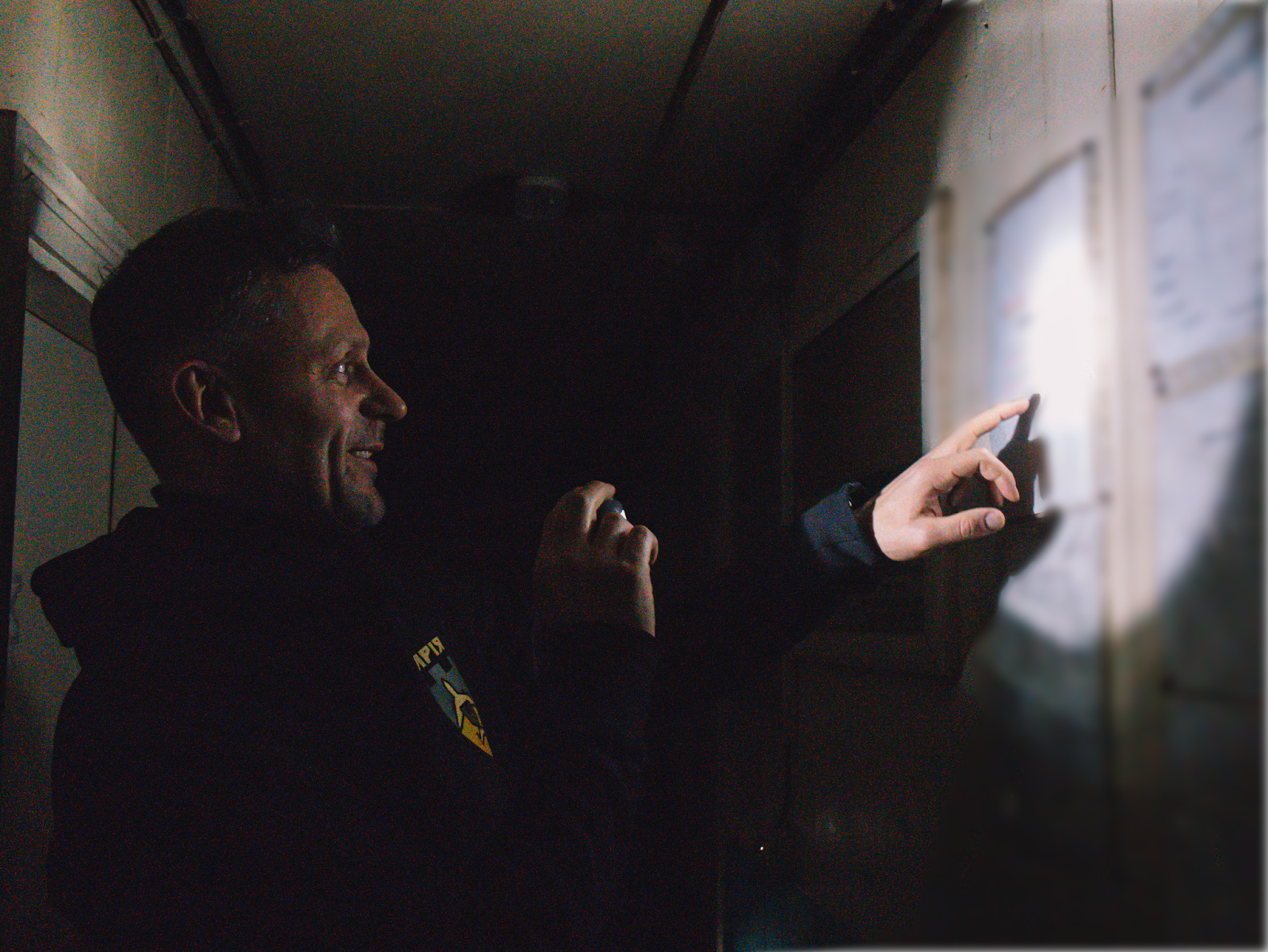
Iran is also seeking to replicate some of Russia’s tactics in choosing targets. Tehran has begun implementing a strategy aimed at sowing complete chaos in the Middle East, according to The Financial Times.
Under a plan designed by the country’s killed Supreme Leader, Ali Khamenei, and Tehran’s top commanders, Iran is expected to target energy infrastructure and other facilities whose damage could disrupt regional airspace. By doing so, Tehran allegedly seeks to destabilize global markets and increase pressure on Israel and the U.S.
Yurii believes Ukraine should offer its partners help in countering Iranian Shahed drones. But he is skeptical about whether the United States might just steal their hard-fought technology
“They may purchase them, test them, see how effective they are, and then say: ‘Thank you for your technologies and for everything you developed during years of war, testing it all in real conditions and bringing it to a more or less practical level of perfection. Now we’ll handle it ourselves.’”
THE LATEST NEWS AT THIS HOUR:
By Tania Novakivska
IRGC TAKES THE LEAD: Anticipating the decapitation of its leadership, even before Saturday’s attack by the US and Israel, the Islamic Revolutionary Guard Corps delegated its powers to much lower ranks.
This leads to the preservation of Tehran’s tough strategy and its use of drones and missiles in the region. Potentially, this could complicate the outbreak of protests and further regime change, as repressive mechanisms remain controllable.
ITALY TO SEND AID TO GULF STATES AND CYPRUS:This aid includes air defense systems for the Gulf states and naval assets for Cyprus.
Reuters sources reported that this could involve SAMP/T anti-aircraft missile systems.
CHINA HALTS GASOLINE AND DIESEL EXPORTS: Amid escalating conflict in the Middle East, which is disrupting crude oil supplies from one of the world’s key producing regions, the Chinese government has ordered leading refineries to stop signing new contracts and to cancel those already agreed upon, according to Bloomberg sources.
QATAR SUSPENDS GAS LIQUEFACTION: The country will not be able to return to normal production for at least a month, sources familiar with the situation told Reuters.
IRAN THREATENS ISRAELI NUCLEAR FACILITIES: Iran threatened to strike the facilities if Israel and the U.S. seek to change the regime, reported by the semi-official ISNA news agency, citing an Iranian military official.
It threatens the Shimon Peres Negev Nuclear Research Center, near the city of Dimona, which is considered key to Israel’s nuclear program. The site is one of the most secure in Israel.
Stay safe out there!
Best,
Mariana and Nastia
Editor’s note:
Reporters at our sister publication, The Counteroffensive, have lived under missile and drone strikes for years in Ukraine.
That experience brings a critical perspective to our reporting on Iran.
If you care about this work, subscribe for free now.


I spent a day with this volunteer air defence unit too, with a lawyer rather than the judges (although he did point out to me the judges’ position!) Amazing guys. To spend all night defending the skies, then change out of their uniforms and go back to work… respect.
Thank you for the latest updates and analysis. trump has stiffed Ukraine so many times that I wouldn't trust trump to do anything that favors Ukraine over trump's pal vlad. Yet if Ukraine can convince the wealthy gulf states that it can help them avoid the worst of the drone attaches, the wealthy gulf states may be willing to support Ukraine with much needed cash to purchase and develop weapons. The gulf states might then be able to show trump that helping Ukraine is helping trump. The demented trump might see that assisting Ukraine and accepting their expertise is a win for trump. Approaching the gulf states might lead to more help for Ukraine than approaching flailing trump initially, since trump and the manic drunk hegseth are such egomaniacs. It would likely do more good than harm for Ukraine to t least offer assistance,since they are more qualified at drone warfare than the US or its gulf allies.