

At the bottom of this page: Latest news at this hour.
U.S. “fully implemented” blockade could stop Iran’s oil production.… Israel and Lebanon negotiate in the U.S.… Iran demands compensation for war damage.… Next round of peace talks looming… U.S. sends more troops to the Middle East.
Editor’s note:
The war in Iran is having far-reaching consequences across the world, disrupting everything from energy to everyday goods. Our reporter in Taiwan is hard at work to illuminate what those impacts are on day-to-day life.
If you value our global coverage of the Iran war, subscribe — it’s free!
OUR LEAD STORY:
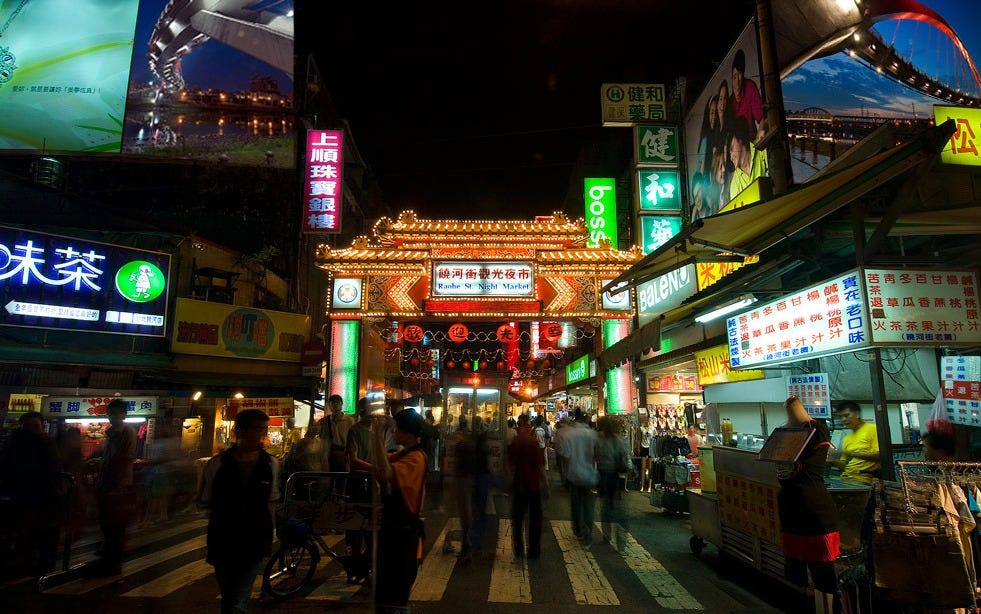
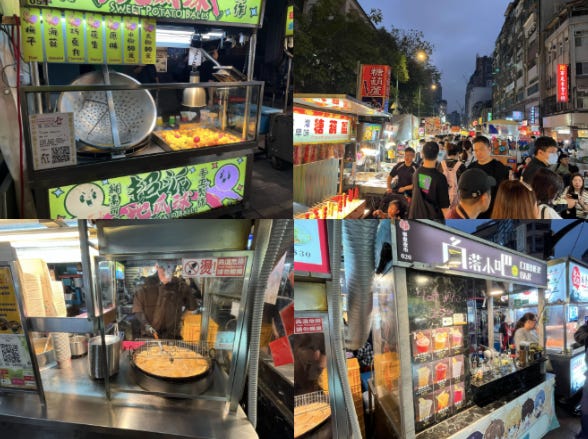
TAIPEI, Taiwan – Walking through a night market in Taiwan is a wonderfully overwhelming experience. The packed crowd, surrounded by various food options, is full of people having a hard time deciding what to eat.
There’s baked pepper buns, stinky tofu, fried yam balls, and oyster pancakes.
And of course, after tasting it all, no one walks home without a bubble tea.
The place where ordinary Taiwanese people go for a bite has become an iconic signature for the country, attracting tourists from all over the world.
But it could all disappear if the Iran war lasts much longer.
Taiwan is one of many countries that have suffered from the effective closure of the Strait of Hormuz since the U.S. and Israel first struck Iran on February 28.
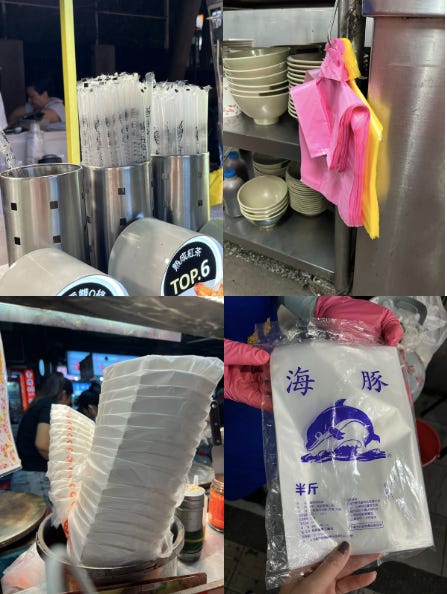
The plastic that defines Taiwan’s night markets, from food packaging to utensils and even in the lids of the bubble tea cups, is made using crude oil from the Middle East.
Taiwan imports 65% of its crude oil from Saudi Arabia, the UAE, Kuwait, Qatar, and Iraq, according to a report from the Executive Yuan, the highest administration office in the Taiwan central government. Taiwan, its food scene, and its culture are left exposed to a war thousands of miles away.
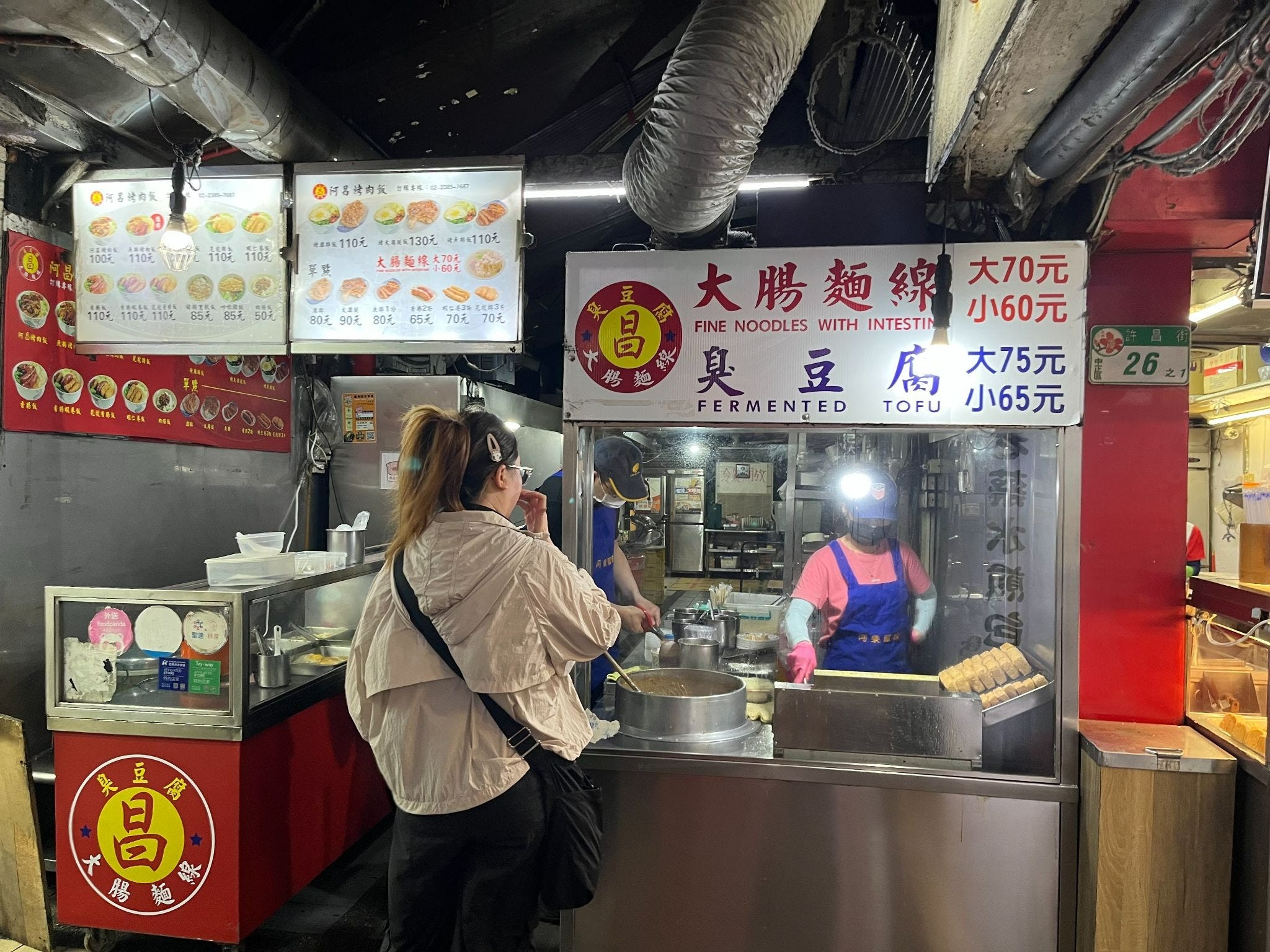
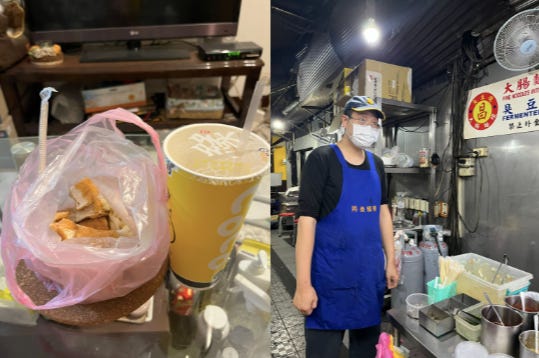
A-Chan wakes up at 6 o’clock every morning to prepare food for the day: noodles (mee sua in Taiwanese), chicken fillet, and his signature dish, stinky tofu. His shop, A-Chan Mee Sua, is in the most popular market area that runs from day to night, near Taipei Main Station. He has been running the business for more than 30 years since he took over from his parents.
He sells an array of food that can be found in the night market, most of which gets wrapped in plastic before purchase.
The last thing A-Chan wants is to fail the business that belongs to his family heritage. He keeps the shop open every day except on official holidays such as the Lunar New Year, and makes sure that every customer enjoys every bite.
Now, the shortage of plastic bags is making A-Chan anxious. “Damn Trump! Stop the war!” he said.
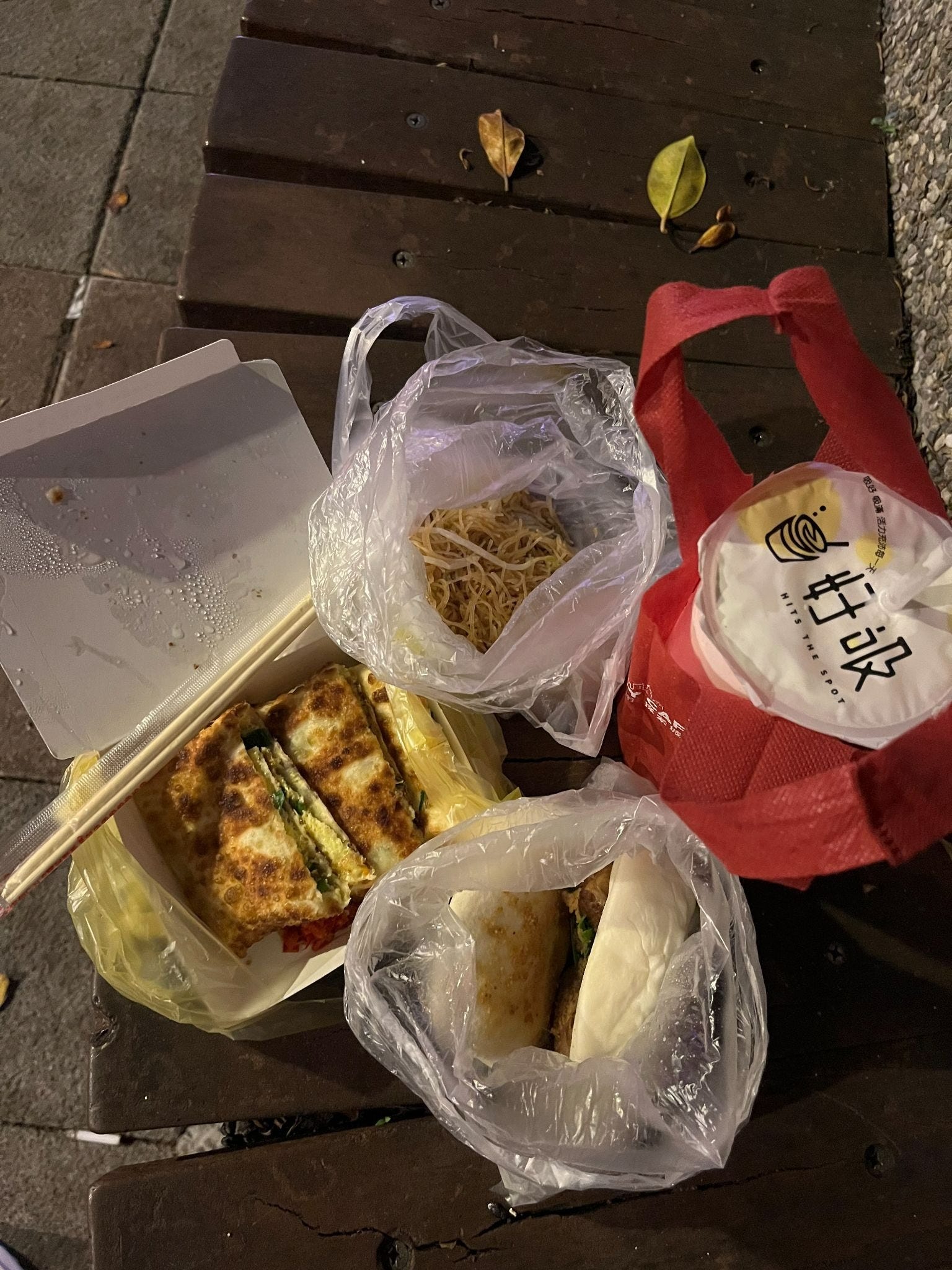
To counter the plastic shortage, some vendors are recommending that customers bring their own plastic bags. Some charge the customers extra fees for bags. As the war in Iran drags on, the plastic shortage crisis has only continued to worsen.
Taiwanese media started showing plastic distributors complaining about the limited production, panicking the consumers. The plastic bags became rare and harder to find in the market, suggesting that either the distributors or the consumers are stockpiling, causing prices to skyrocket and forcing the Taiwanese government to announce a supply-distribution stability plan.
For heated food vendors, the issue is even worse — some plastic bags are made specially to endure the hot temperatures. “The price of those almost doubled,” A-Chan said.
But to A-Chan, the high cost of the bags isn’t the real problem. “It’s still affordable, but the issue is we can’t buy them, even if we pay more,” he said.
The Counteroffensive tried to find out if any distributors were stockpiling, and after visiting at least four distributors, only one was willing to comment.
“Please stop reporting on the shortage. People kept coming to panic buy.” The owner of the Hua-Yuan Trading House said.
A panic buy — which refers to sudden and excessive purchase of daily groceries, such as food, and fuel — has happened multiple times in Taiwan, especially when a typhoon or earthquake hits badly.
A-Chan’s mother, Mrs. Tseng, trusts her supplier. “They don’t stockpile. They need to maintain a good relationship with clients. If they hid bags from us, they would lose business soon.”
When asked what they plan to do with their business if the war lasts long term, Mrs. Tseng said with faith, “the war won’t end immediately, but it won’t last longer than six months. It will cost [the Americans] too much!”
The night market vendors and their supply chains are mostly small businesses. The floating cost of plastic could easily take over their profit, and that’s not the only concern.
Liquefied Petroleum Gas, or LPG, is one of the most important tools for the hot food vendors. 33.7% of Taiwan’s LPG is imported from Qatar, according to the data from the Taiwan Ministry of Economic Affairs, which makes Qatar its biggest supplier.
In order to control inflation, the Taiwanese government held up the price of LPG for household use toward the end of March. But the night market vendors aren’t as lucky.
Moreover, the rise in the price of vegetable oil could cause more damage to the food vendors. The United Nations Food and Agriculture Organization says that vegetable oil prices have increased 5.1% since last September.
All these factors can make it harder for night market vendors to make ends meet. Chris, the vendor who sells fried yam balls in a southern city of Taiwan, Tainan, is feeling the pain.
“I just started my business at the end of last year.” He can’t believe his luck: “In four months, I saw the Black Swan,” referring to the extremely rare wartime events unfolding that are impacting his business.
Most of these vendors are paying the rising cost out of pocket. It can take out hundreds of dollars from their profit per month.
To keep the night market lively during hard times, the Taiwanese government is trying to hold down oil prices for as long as it can. CPC Corporation, Taiwan, owned by the government, has paid 103.7 million dollars (3.3 billion NTD) for the extra cost of gas in the past two weeks, without sharing the burden with users.
Everyone tries to do their best to survive until the Strait of Hormuz opens. The plastic bag issue is probably easier to solve first. The Taipei city council started to promote using reusable bags or having the customers bring their own containers.
Before the plastic shortage crisis, some Taiwanese people were considering how to make bubble tea less carbon-intensive. They bring their own cups, reusable straws, and replace the plastic carrier bag with a cloth bag.
Some conservation groups even see this moment as an opportunity to change the night market into a more eco-friendly and sustainable place.
The lack of diverse energy sources during the Iran war has brought back the discussion about using nuclear energy after the referendum to restart the nuclear power plant in Taiwan failed last August.
Just two weeks ago, President William Lai made a speech revealing his nuclear energy strategy. “We don’t know how long the war will last, but Taiwan needs to be prepared for the worst.”
The Iran war has affected Taiwan slowly, but surely. This squeeze means that a cultural staple — the nightmarket — is dying slowly, too.
Editor’s note:
The war in Iran is having far-reaching consequences across the world, disrupting everything from energy to everyday goods. Our reporter in Taiwan is hard at work to illuminate what those impacts are on day-to-day life.
If you value our global coverage of the Iran war, subscribe — it’s free!
THE LATEST NEWS AT THIS HOUR:
U.S. ‘FULLY IMPLEMENTED’ BLOCKADE COULD STOP IRAN’S OIL PRODUCTION: The head of U.S. Central Command said that the U.S. blockade of the Strait of Hormuz. which is targeting vessels exiting and entering Iranian ports, has now been ‘fully implemented.’. In the first 24 hours of the U.S. blockade, American warships turned around six vessels after issuing them warnings, U.S. officials said.
Central command also said that within a day and a half it has put a stop to ‘90%’ of Tehran’s economic activity.
The Financial Times has reported that if the U.S. does cut off Iran’s exports, the country will be forced to drastically downsize its oil production. Iran’s storage facilities, which are used to store crude oil. are currently about 51% full and will fill up within 16 days if oil production continues at its current rate.
ISRAEL AND LEBANON NEGOTIATE IN THE U.S.: On Tuesday, U.S. Secretary of State Marco Rubio hosted direct talks between Israel and Lebanon in Washington. The two countries have technically been in a state of war since 1948, and this two-hour-long meeting was their first attempt to negotiate directly in decades.
Lebanese ambassador Nada Moawad called for a ceasefire, as her country was excluded from the most recent peace negotiations in Islamabad. She raised the issue of returning displaced Lebanese citizens to their homes and steps to alleviate the humanitarian crisis caused by the war.
Beirut made it clear that it would no longer be “occupied” by Hezbollah, according to Yechiel Leiter, Israeli ambassador to the United States. Israel, however, did not specify if it will stop its attacks on Lebanon.
The sides had not agreed on any clear peace framework yet. Hours after the talks, Hezbollah launched 30 missiles at Israel.
IRAN DEMANDS COMPENSATION FOR WAR DAMAGE: Iran’s envoy to the UN said that five countries — all of which have allegedly launched attacks toward Iran — have to compensate for the critical infrastructure damaged in war, according to Al Jazeera.
Iranian government spokeswoman Fatemeh Mohajerani estimated the damage at about $270 billion in an interview with Russian journalists. These costs might be partly collected from fees on ships passing through the Strait of Hormuz.
The topic of reparations was raised during the first round of U.S.-Iran peace talks in Pakistan and will likely be discussed in any further negotiations.
NEXT ROUND OF PEACE TALKS LOOMING: Pakistani Prime Minister Shehbaz Sharif plans to visit Saudi Arabia, Qatar and Turkey this week. These visits might be a preparation for the next round of peace negotiations between Iran and the U.S. Donald Trump also hinted that “something might be happening” in his Tuesday interview with The New York Post.
U.S. SENDS MORE TROOPS TO MIDDLE EAST: The U.S. is preparing to send 6,000 more troops to the region aboard the aircraft carrier USS George H.W. Bush and several more warships, anonymous U.S. officials told The Washington Post.
About 4,200 others will arrive by the end of the month. Together with American forces already based in the Middle East, they will cause more pressure on Iran, attempting to compel it to negotiate on U.S. terms.
EUROPE PLANS TO FREE UP HORMUZ STRAIT WITHOUT U.S.: European countries are drafting a plan to free up shipping in the Strait of Hormuz which excludes the U.S., The Wall Street Journal reported. The plan includes sending mine-clearing and other military vessels after the fighting ends.
The main participants of this defensive mission are France, Germany and the U. K. This Friday, Emmanuel Macron and U.K. Prime Minister Keir Starmer will host an online meeting with several dozen countries willing to join. According to an anonymous French official, even China and India were also invited, but it’s unclear if they will attend. The U.S. is most likely to be sidelined.
RUSSIA OFFERS IRAN HELP WITH ENRICHED URANIUM: Russia could help Iran convert its enriched uranium stockpiles into fuel or store it safely, Russian state news agency TASS reported, citing Foreign Minister Sergey Lavrov.
Iran’s highly-enriched uranium stockpile is one of the key issues causing a stall in the peace negotiations between Iran and the U.S. Iran is willing to pause its enrichment program, but the U.S. demands its complete termination.
This comes as Russia is trying to bolster its role in Asia and offer cheaper energy to China and other countries that face supply shortages.
Stay safe out there!
Best,
Elaine
