

At the bottom of this page: Latest news at this hour.
Iranian warship sunk near Sri Lanka… U.S. Intelligence team focused on Iran was fired before initial strikes… Israel killed Iranian high-ranking officer… U.S. to escort ships through Strait of Hormuz… Spain unwilling to engage with war… South Africa wants to mediate… rising oil prices effect Russia’s war…

Editor’s note:
Human interest reporting is made extremely difficult amidst missiles and internet shut-downs. That’s why many of our sources are people who have recently left Iran, giving them internet access and the ability to comment on the war in their home country.
Subscribe to support our reporting!
OUR LEAD STORY:
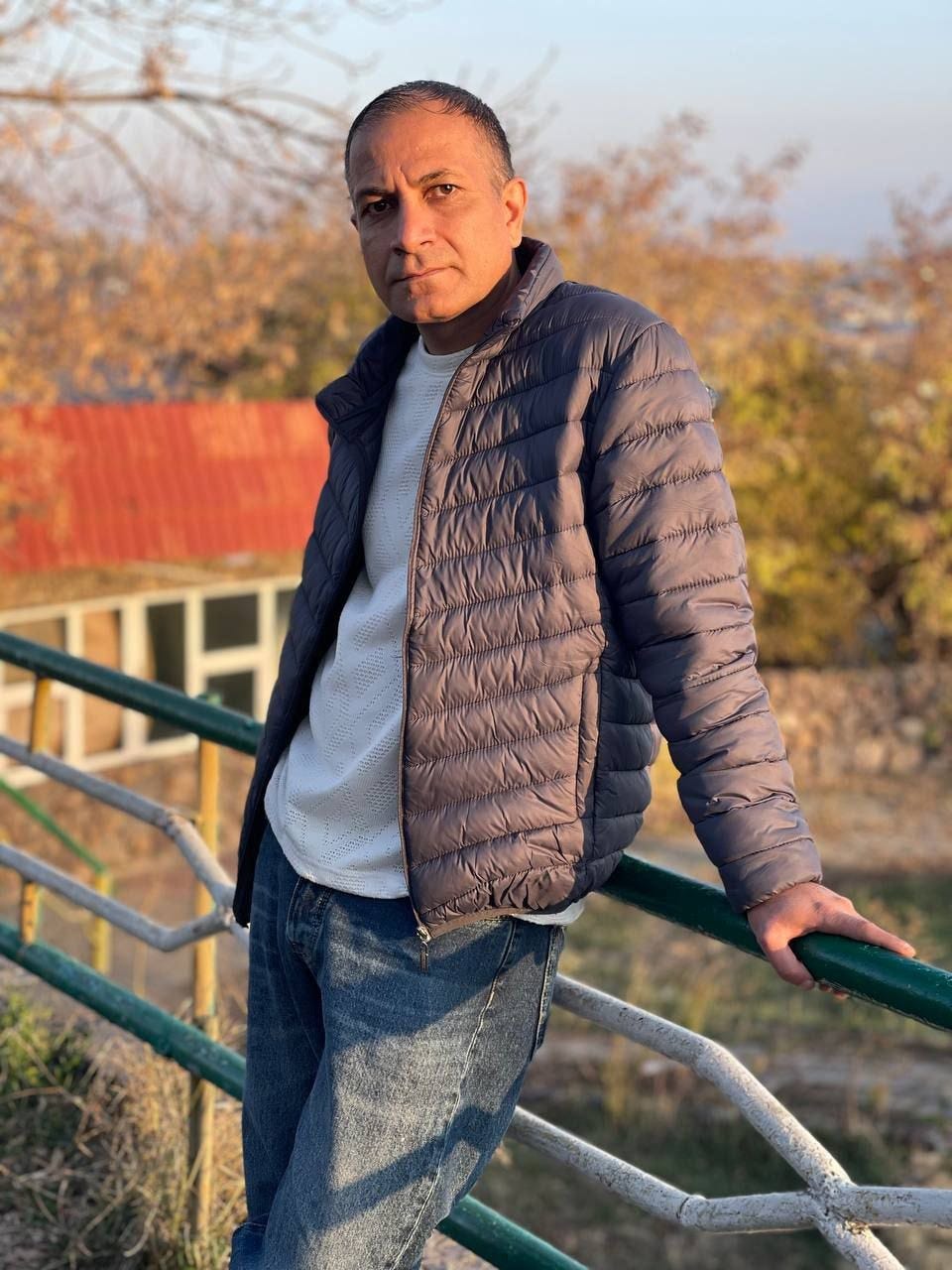
GYUMRI, Armenia – Every morning, 43-year-old Kamal wakes up, makes tea — “a very Iranian thing,” he says, and waits.
He’s waiting for the moment he can go back home to Mahabad, Iran.
In Gyumri, Kamal’s days are dull. He makes lunch, cleans his house, shops for food, and indulges in the occasional backgammon match.
Kamal thinks the moment to return may finally be approaching, with Iran’s Supreme Leader dead. But now, there is a war to worry about.
The U.S. has sent mixed messages about its intent for their war on Iran (some supporters refuse to acknowledge it is even a war).
The justifications have been myriad, overlapping, confusing or sometimes contradictory: preventing the development of nuclear weapons, punishing terrorists, pursuing regime change, stabilizing the Middle East, backing Israeli security.
Trump has publicly urged Iranians to “take over” their government, and some exiles say they are considering returning home to join the action. Whether that will actually happen — or whether lethal U.S.-Israeli strikes will instead keep people away — complicates that call to return.
Kamal is Kurdish, which adds another layer to that decision.
The CIA is arming Kurdish forces in Iraq that may launch a ground incursion into western Iran, according to reporting from CNN.
On Tuesday, Trump spoke to the president of the Democratic Party of Iranian Kurdistan. If Kurdish fighters do cross the border, Kamal could find himself returning home to a war unfolding in his own region.
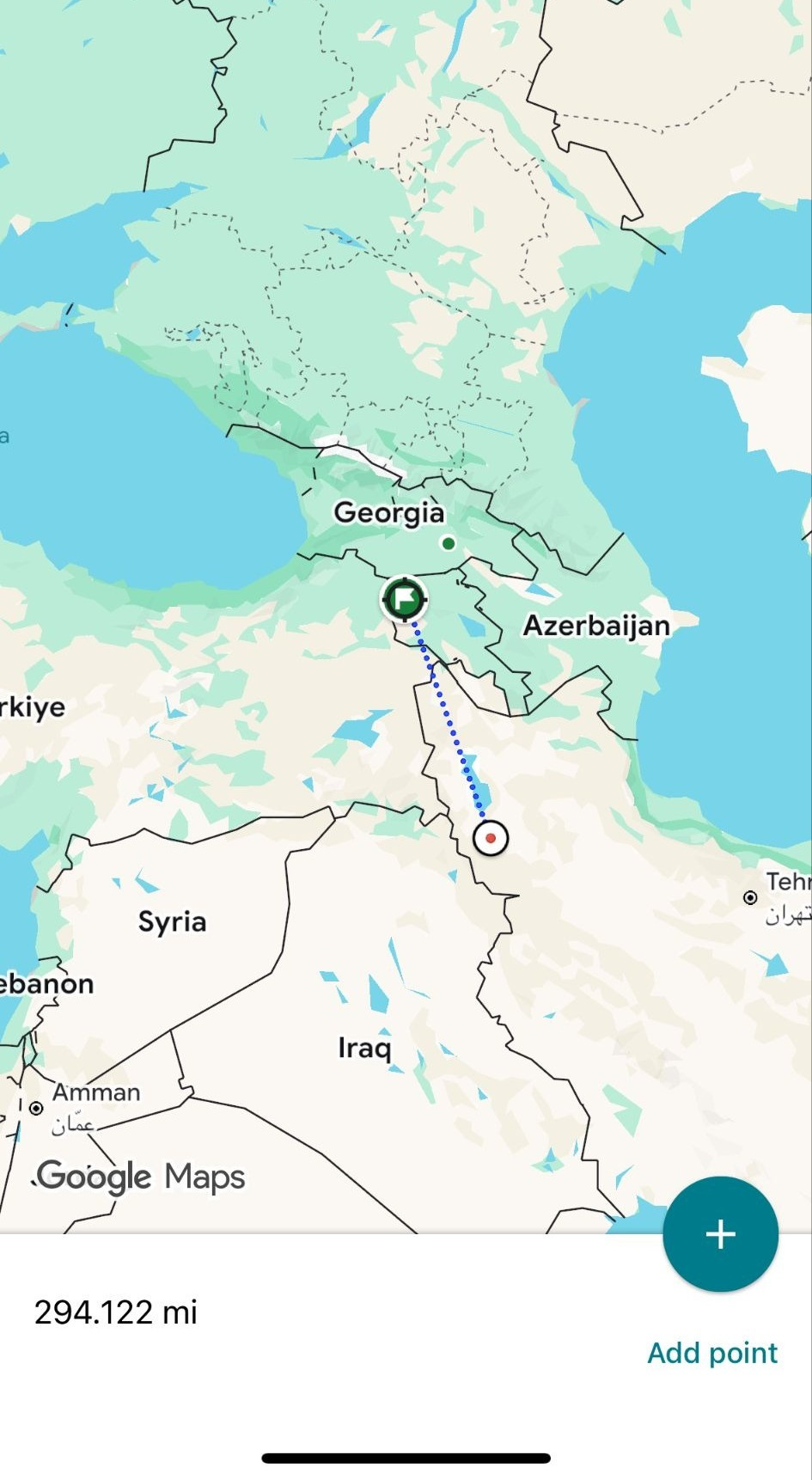
Now, from a small room that he rents in Gyumri, Armenia, Kamal plots his return to Iran anyway— not because it is safe from American and Israeli strikes, which have killed an estimated 700 civilians, but because he doesn’t want to sit idly by any longer.
“I don’t leave my phone alone,” he said. “I cannot even see properly.”
A few years ago, Kamal’s life as a shoe shop owner in Mahabad was full.
“I was in love with my job,” he said.
He lived with his wife, two kids, and parents. He was comfortable financially.
Kamal lost his left eye from a gunshot wound while protesting the death of Mahsa Amini 4 years ago in the streets of Mahabad, the unofficial capital of Iran’s Kurdish region.
His remaining eye works at roughly 30 percent.
Security forces were aiming for faces, he says — the most visible part of the body. This was hardly an isolated incident, and it continues to happen: an ophthalmologist in Tehran reported over 400 eye injuries from gunshots in a single hospital this January during the massive crackdown on protesters.
He has too many friends with the same wounds for this to have been a random event.
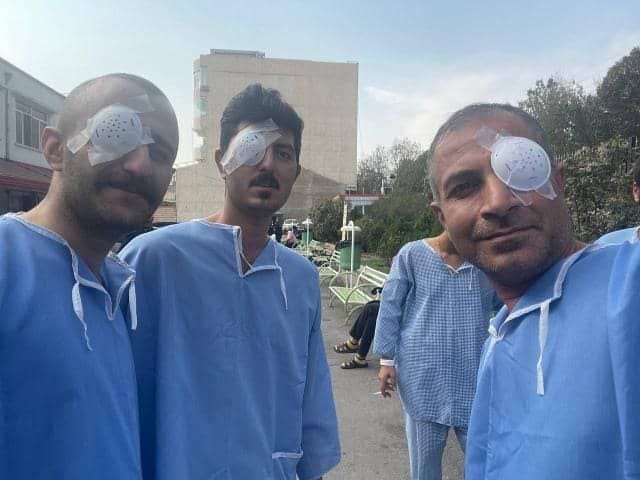
“Your neighbors will see it and they will be afraid and they won’t come out,” he explained. “If you cannot see, you are basically disabled.”
The day he was shot, he had brought his 13-year-old son with him to protest. He wanted his child to act on what he calls his personal motto: “If you want to have a change in the world, you need to put in effort.”
“They killed our girl Mahsa,” he said, referring to Mahsa Amini, the 22-year-old Kurdish woman whose death in police custody sparked nationwide protests in 2022.
Even after losing an eye from a gunshot, Kamal returned to protest the next day.
Weeks later, security forces arrested his son.
For days, Kamal chased rumors – from police station to police station, trying to find where his son was being held. At one point, security forces came to Kamal’s shoe shop and took inventory, promising they would not transfer his son to another province.
After a month of separation, Kamal finally found him — barely recognizable from the depravation and torture, he said.
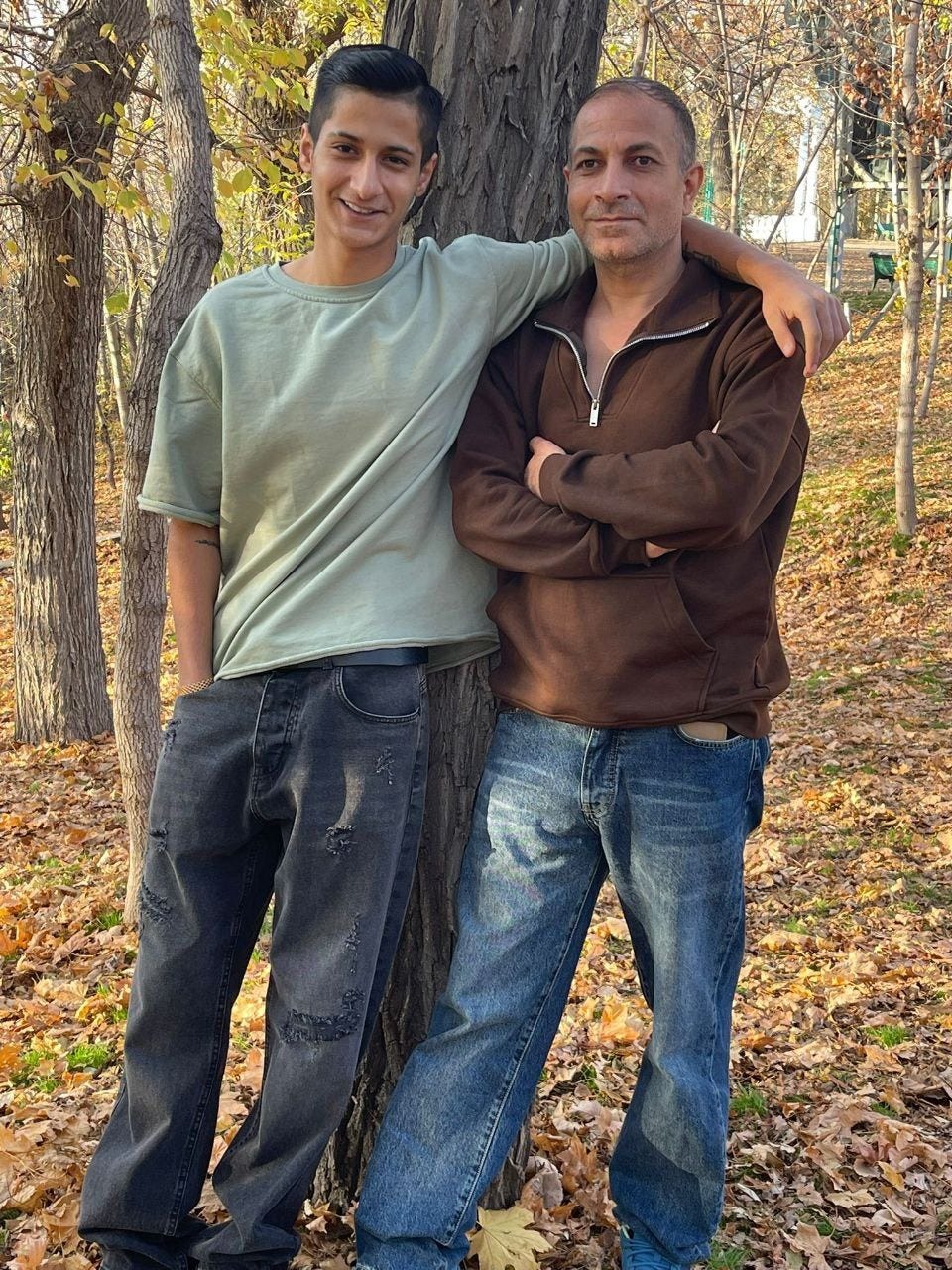
Now, Kamal in Gyumri and his son elsewhere, he feels numb.
With the one eye he has left, he says, he wants to see the regime fall.
But for Kamal, the Islamic Republic is not the only danger for his return. Missiles from joint U.S. and Israeli strikes are landing across the country, including in Kamal’s home Mahabad, he said.
When Kamal sees images of bombed buildings and smoke rising over Iranian cities, he says his feelings are complicated.
“I mean any human being would be sad, I am too, but for normal civilians, not for people that committed crimes against them,” he said.
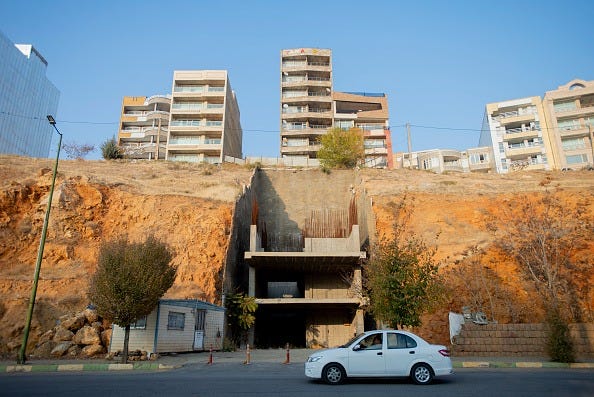
Inside of a predominantly Shiite Iran, the unofficial Kurdish capital Mahabad is a Sunni-dominated Kurdish pocket. Kurds, like other ethnic minorities in Iran including Azeri Turks and Baluch people, have long described aggressive surveillance and suppression.
Kamal’s plan to go home is simple. He will take the bus from Yerevan to Tehran. He will bring nothing besides a passport, which he says he’ll rip up once in Iran. That’s how much hope he has for a new government — he’s willing to rest on the assumption that he’ll never need his Islamic Republic passport again.
From Tehran, his sister and her husband will pick him up and bring him home, which takes over seven hours by car.
When news broke that Iran’s Supreme Leader had died, Kamal says he woke at 5 a.m. and cried.
“It’s as if I was born again,” he said. “Now that the rat is dead… I think the regime is on the verge of collapse.”
But Iran’s government had a succession plan in place. During last year’s 12-Day war between Iran and Israel, Ayatollah Khamenei picked replacements for his own position, and a chain of succession.
On Tuesday, Israel’s air force struck Iran’s Council of Experts in Qom, the body in charge of the election of the next supreme leader. Mojtaba Khamenei, the son of the former supreme leader Ali Khamenei, is emerging as the likely next supreme leader.
Kamal understands all of this. But he hopes that people will return to the streets to advocate for a new regime now that the current one is so weak, and he wants to be a part of it.
If he does make it home, which he plans to do in the next 10 days, he longs for the cafe in Mahabad where Kamal and his friends smoked hookah over tea and coffee, the lookout point over the water where he would sit and stare in solitude.
“I am not afraid of going back, I am actually afraid that I will never see Iran again,” he said.
The latest news at this hour:
By: Oleksandra Khelemendyk and Oksana Stepura
IRANIAN WARSHIP SUNK NEAR SRI LANKA: A U.S. torpedo sunk an Iranian ship, IRIS Dena, in the Indian Ocean. 32 people were rescued by the Sri Lankan Navy, and around 140 are still missing, according to Sri Lankan Foreign Minister Vijitha Herath.
Presumably, the vessel was attacked by a submarine, but who is responsible for the attack is still unclear.
INTELLIGENCE TEAM TRACKING IRAN THREATS FIRED BEFORE STRIKES: FBI Director Kash Patel fired a dozen agents responsible for monitoring threats from Iran two days before the U.S. attacked the country, CNN reports. Sources said that the members of the Washington, D.C.-based CI-12 unit were also investigating President Donald Trump’s alleged retention of classified documents at his Mar-a-Lago estate.
ISRAEL KILLED IRAN’S HIGH-RANKING OFFICER: Israel Defense Forces killed Daoud Ali Zadeh, the temporary commander of the Lebanon Corps of the Iranian Quds Force, in Tehran.
Ali Zadeh was the highest ranking commander for the Lebanon Corps which connected the IRGC and Hezbollah.
U.S. TO ESCORT SHIPS THROUGH THE HORMUZ STRAIT IF NEEDED: As the war in the Middle East increases risks for shipping oil and causes price anxiety in the oil market, the U.S. Navy might begin to protect the tankers in the Hormuz Strait, Trump said.
The U.S. International Development Finance Corporation (DFC) will provide financial guarantees and political risk insurance for maritime trade in the Gulf.
TRUMP THREATENS TRADE CUT AFTER SPAIN REFUSES TO ENTER WAR: After Trump threatened to cut off trade with Spain in response to Spain’s decision to not get involved in the Middle East, Spanish Prime Minister Pedro Sánchez reiterated his unwillingness to let the U.S. use jointly operated military bases in southern Spain for strikes on Iran.
PM Sánchez urged the countries involved in the war to respect international law and warned them against escalation.
SOUTH AFRICA, RUSSIA OFFER TO MEDIATE IN MIDDLE EAST: The president of South Africa, Cyril Ramaphosa, offered to assist in the resolution of the Middle East conflict if asked to. He added that the government is working to evacuate its citizens from the region.
Earlier, Vladimir Putin made phone calls to the leaders of Bahrain, Saudi Arabia, Qatar, and the UAE and offered to restore peace in the Middle East, using its links to Iran. While Russia can benefit from higher oil prices and less attention to its war in Ukraine, it also wants to maintain its influence in the region and prevent American dominance.
RISING OIL PRICES CAN’T BALANCE RUSSIAN BUDGET: Despite global oil prices surging above $83 per barrel following strikes on Iran, Russia’s budget deficit continues to widen due to heavy military spending and Western sanctions. Because Russian oil is sold at a significant discount, prices would need to climb by more than 50% to neutralize the impact of the sanction-imposed discount.
Stay safe out there.
Best,
Jacqueline