

Editor’s note:
The Iran war just moved from attempted diplomacy into fresh missile strikes. Now is not the time to tune out. Let us keep you informed.
Have a friend who might want these news roundups, too?
The latest news at this hour:
IRAN AND ISRAEL HALT ATTACKS: On June 7, Iran launched missiles at Israel for the first time since the ceasefire agreed between both countries on April 8, following Israeli strikes on Lebanon.
Israel also attacked Iran, striking a petrochemical plant in the southwest of Iran, BBC reported. This was the first direct Israeli attack on Iran since April 8, when the Iran war ceasefire was signed.
Iranian state media has reported explosion sounds in Tehran, Tabriz, Isfahan, and near Karaj, BBC reported. While Israeli state media reported attacks on central and western Iran
While Iran said that it would halt strikes on Israel, it threatened to restart them if Israel continued to attack Lebanon. Israel also announced it was halting strikes on Iran, at Trump’s request.
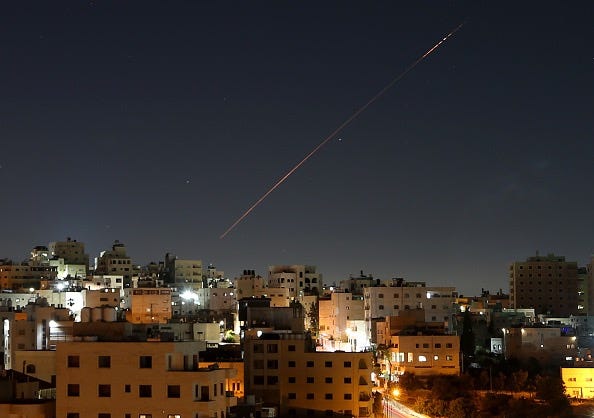
HOUTHIS ATTACK ISRAEL: Yemen’s Iran-backed Houthi rebels launched a missile attack on Israel and warned of a danger to Israeli ships in the Red Sea, The Associated Press reported.
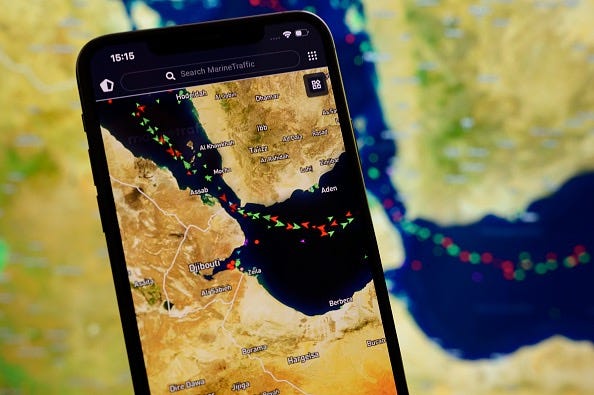
On Monday, Houthis pledged to block all Israeli-linked commercial shipping between the Gulf of Aden and the Red Sea.
The Houthis could cut off the Bab El-Mandeb Strait, a waterway critical for exporters which lies between Yemen and Djibouti. Since the disruption in the Strait of Hormuz, the Bab El-Mandeb has become one of the few resources for exporters.
TRUMP TO REBUILD GULF COUNTRIES WITH IRANIAN ASSETS: U.S. Treasury Secretary Scott Bessent’s plans to fund the rebuilding of Gulf states hit by Iranian attacks with Iran’s frozen assets, which amount to $100 billion globally, the Financial Times reported.
Iran’s frozen assets remain one of the thorniest issues for the negotiators. In his interview with NBC yesterday, Donald Trump stated that he will not let the funds be unblocked without a lasting ceasefire with Iran. When Trump pulled out of the 2015 JCPOA agreement, one of his main criticisms was that the deal bolstered Iran financially. However, unfreezing Iran’s assets would give the Iranian government a significant financial boost.
Iran’s Deputy Foreign Minister Kazem Gharibabadi said that Iran’s money was neither the U.S. “war spoils” nor the reconstruction fund for its allies, Reuters reported.
HORMUZ STRAIT TO BE OPEN WITH FEES: Iran’s ambassador to Moscow, Kazem Jalali said that the Hormuz Strait would remain open, despite a recent escalation in the Middle East, but under new conditions, Reuters reported. Among them, the authorities of Iran and Oman are planning to impose passage fees on the vessels.
Previously, Iran has claimed that its peace deal with the U.S. should allow it to demand fees for passing through the strait, depending on the type of ship.
Following the latest strikes between Iran and Israel, oil prices rose again by more than 4 percent, with the Brent crude oil global benchmark climbing to $95.50 per barrel. If the tolls are imposed, oil might become even more expensive.
RENEWED ATTACKS SUSPEND FLIGHTS ACROSS IRAN: Following renewed strikes between Israel and Iran, Domestic and international flights from Imam Khomeini and Mehrabad airports in Tehran were temporarily suspended, according to CNN.
While all airports in western Iran have been closed indefinitely, according to the Iranian media outlet Fars.
Stay safe out there!
Best,
Oleksandra
