

At the bottom of this page: Latest news at this hour.
Iran-linked tankers transit Strait of Hormuz despite U.S. blockade… Saudi Arabia pushes to end U.S. blockade of Strait of Hormuz… Lebanon-Israel talks are starting in Washington, D.C., today… U.S. and Iran could renew peace talks in Pakistan this week… Pope pushes back against Trump attack.

Featured subscriber comment:
“Invaluable news from the region today! Worth every penny of my subscription.
By PTW
Believe our featured subscriber and want to test it out? Upgrade today!
OUR LEAD STORY:
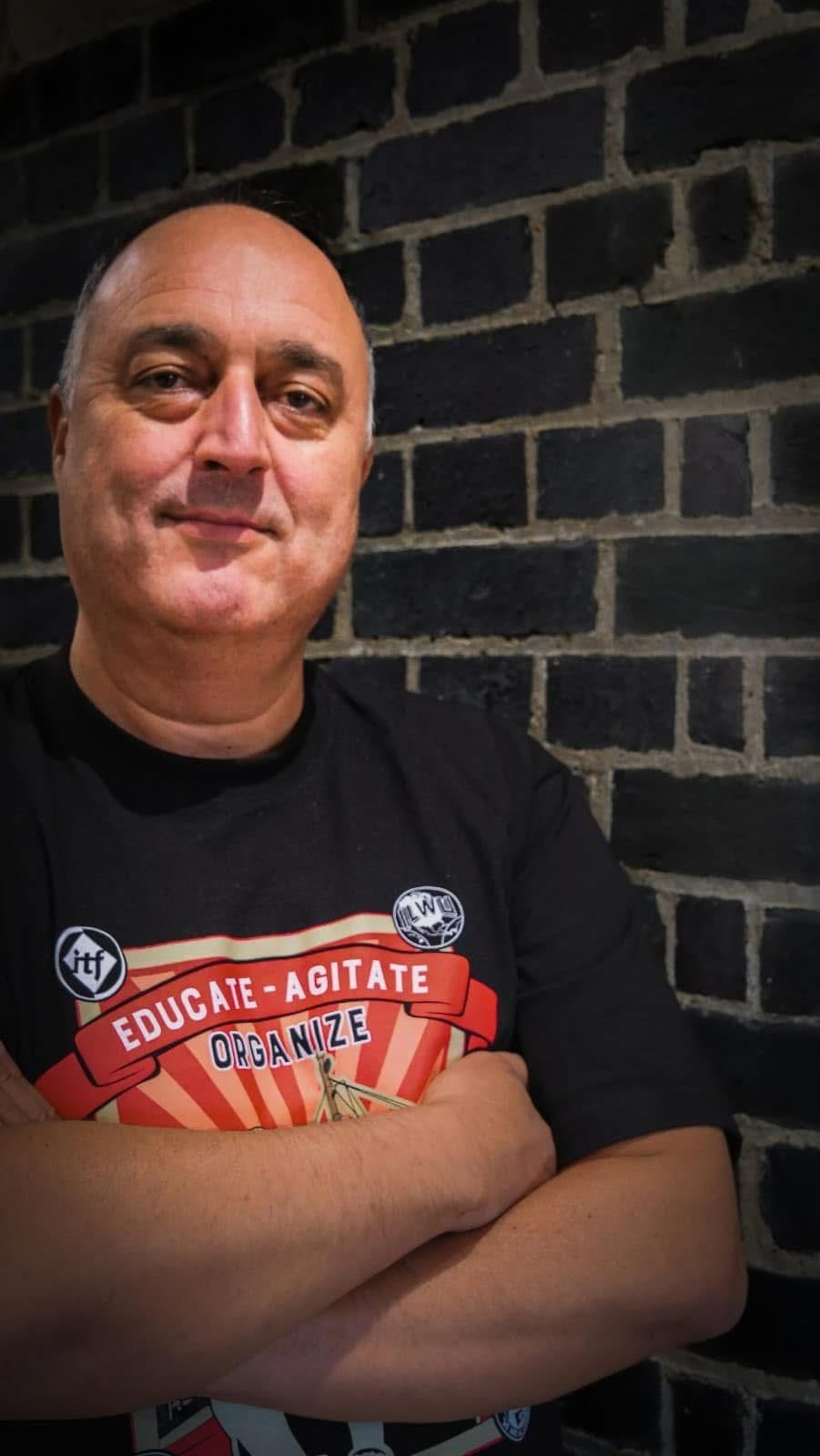
YEREVAN, Armenia – When Iran closed the Strait of Hormuz at the start of the war, it stranded roughly 20,000 seafarers aboard more than 2,000 vessels, many of whom had already been at sea for months.
“Despite the announcement of the ceasefire, the requests haven’t stopped,” said Mohamed Arrachedi, who works for the International Transport Workers Federation (ITF). He is one of the few lifelines sailors have in the Persian Gulf.
The ITF is a federation of trade unions, protecting the labor rights of transport workers, including seafarers. Since the start of the war in Iran, the distress calls Mohamed has received are unlike anything he has seen in his 28 years on the job.
Just a week ago, it looked like the Strait of Hormuz might reopen following the U.S.–Iran peace talks, giving hope to seafarers stranded in the Gulf. Many of them are exposed not only to the mental strain of being stuck at sea, but also to the threat of Iran’s attacks on oil tankers.
But on Monday, the situation took a turn for the worse: the U.S. escalated the crisis by launching a naval blockade, stationing over 15 warships to intercept vessels traveling to or from Iranian ports. Ships that don’t comply could risk being seized by U.S. forces.
The move has made passage through the strait more uncertain than ever, with major shipowners and brokers now refusing to transit without security guarantees from both Iran and the U.S.
As ships remain stuck, conditions on board are only getting worse—leaving Mohamed to witness the human cost of a crisis unfolding along one of the world’s most critical shipping routes.
Mohamed, 56, grew up in Al Hoceima, a beachy port city in northern Morocco sitting between the Alboran Sea and the Rif Mountains. Mohamed’s childhood memories are those of long summers spent playing at the port, watching the fishermen haul in their catch and prepare them by the shore.
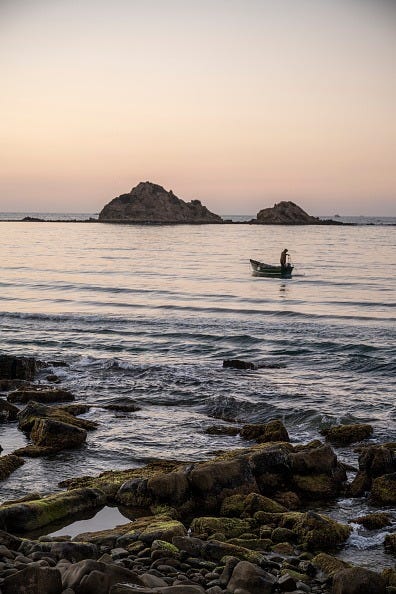
But there was also a much darker side to life near the sea. “I had friends that lost their father or one of their family members at sea…you are aware of the suffering…that the ones going to sea are more exposed, are more vulnerable,” said Mohamed.
His work for the ITF involves receiving calls from seamen in distress and advocating for their labor rights, putting pressure on employers and oversight bodies to act. The complaints Mohamed gets span the gamut: unpaid wages, sailors being forced to sail despite unsafe conditions, requests for repatriation, and other violations of the Maritime Labour Convention.
By the time a sailor reaches out, Mohamed knows the situation is already desperate. “Often only a few seafarers have access to the internet, the fact that they get in touch…is something in itself. It is not normalized to reach out to [the ITF] because the seafarer will be blamed and threatened,” Mohamed explained.
Many workers won’t contact Mohamed even in the most desperate situations, because they have a fear of being “blacklisted.” Some shipping companies identify employees reaching out to trade unions and prevent them from being hired again.
During the Iran war, things have gotten drastically worse for the people who rely on Mohamed’s support.
“The way they are approaching us is not normal…you feel a lot of stress…a lot of desperation. They call you at 2 or 3 o’clock in the morning when they have a connection,” Mohamed explained. Since the war in Iran started, Mohamed has received a call from a seaman who reported that their vessel had been hit off the coast of Iraq, killing one of their crewmen.
In the last month and a half, at least 22 vessels have been attacked in the Strait of Hormuz, killing at least 10 seafarers in total. But why these vessels were targeted in particular is unclear, sparking panic among the sailors who are still stuck in the gulf.
Even just seeing the attacks takes a toll on the seamen, a few of whom have reached out to the ITF. “We don’t want to stay here, we don’t want to die here, please help us,” Mohamed said, quoting some of the reports he has received.
Currently, Mohamed is dealing with around 100-200 cases, many of whom are reporting that they want to be repatriated — a situation which is increasingly difficult given the blockade of the strait.
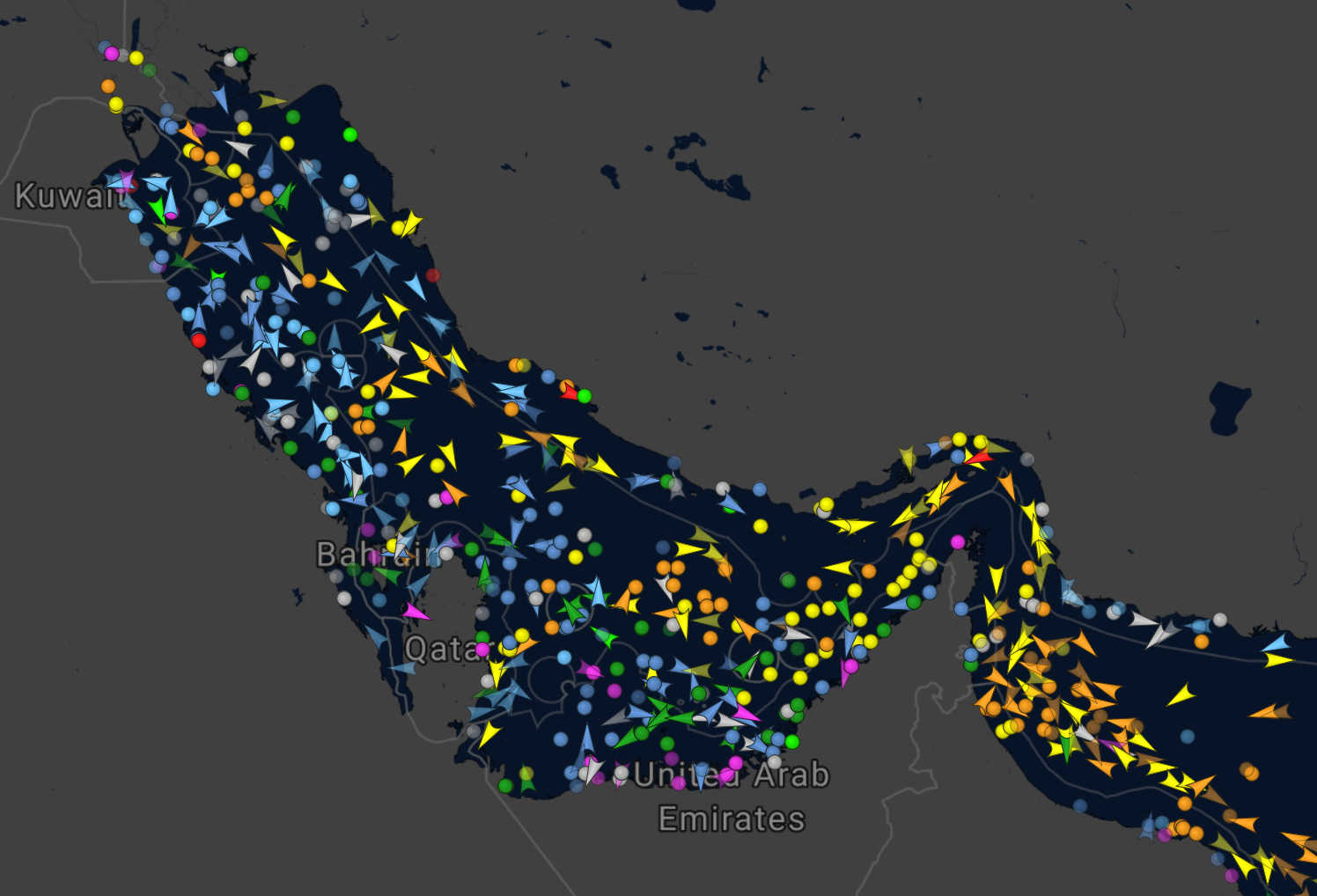
After receiving a repatriation request, Mohamed reaches out to the shipowners or the management of the vessel and presses them to send the crews back home. But the companies don’t always respond meaning Mohamed has to escalate the issue to the vessel’s flag state.
Some sailors have personal reasons for needing to go home — one man told Mohamed that he was willing to forfeit his unpaid wages if he could return to his home country, as his mother was sick and he wanted to see her before she passed away.
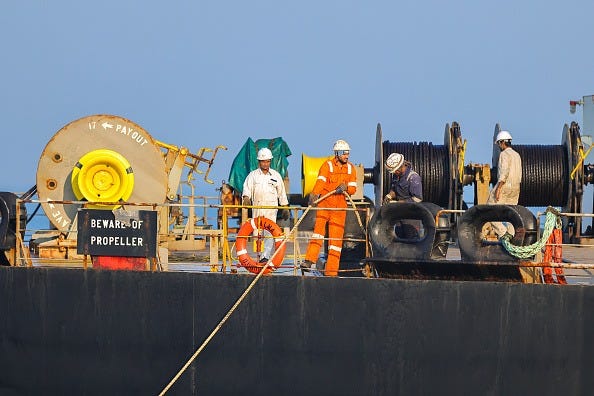
The shipping industry can be very exploitative because seafarers both live and work on the ships and, isolated from the world around them, their labour rights can be easily violated and the violations are much harder to track.
One seafarer contacted Mohamed saying that he had not been paid for the last 16 months. Another said that with his wages being withheld, his family was unable to pay their mortgage and was evicted from their home. For Mohamed, these are some of the most distressing calls.
Since passage through the strait has been restricted, the price of oil has surged, and only increased after Trump said he would blockade the waterway starting April 13. But the financial burden is felt by the companies that own these ships, too.
“The vessel…can create a lot of wealth when it’s working, but when the ship is not moving…it’s the opposite; it only generates costs the seafarer needs to pay and the vessel needs to be maintained,” Mohamed explained.
And now that vessels trapped by the closing of the strait are unable to make money, more sailors are reporting unpaid wages, Mohamed explained.
A month and a half into the war, Mohamed is noticing new trends in the distress calls he is receiving. Sailors are reporting a lack of food and water, which was not the case at the start of the war. Other reports have found sailors fishing off of their tankers, while Chinese seafarers have taken videos of their crew collecting condensation from their air conditioning units to harvest water.
While signs of the Strait of Hormuz opening are less than promising, the countries around Persian Gulf held a meeting at the end of March to find a way to facilitate repatriation and assist seafarers with medical issues and resupply provisions.
For Mohamed, the war has exposed systemic failures in the shipping industry: “The system is clearly failing…and protection of seafarers is possible. It’s not a myth. It’s really possible.”
Featured subscriber comment:
“Invaluable news from the region today! Worth every penny of my subscription.
By PTW
Believe our featured subscriber and want to test it out? Upgrade today!
THE LATEST NEWS AT THIS HOUR:
By: Anastasiia Lutsenko
IRAN-LINKED TANKERS TRANSIT HORMUZ STRAIT DESPITE U.S. BLOCKADE: On the first full day of a U.S. blockade of the Strait of Hormuz, which is aimed at targeting vessels calling at Iranian ports, at least four Iran-linked tankers, two of which were visiting Iranian ports, passed through the strait, according to the BBC.
The blockade was announced after the ceasefire failed to enable ships to transit through the strait.
SAUDI ARABIA PUSHES TO END U.S. BLOCKADE OF STRAIT: Saudi Arabia has called on the U.S. to end its blockade of the Strait of Hormuz fearing that Iran could retaliate by closing the Bab Al-Mandeb strait, another crucial shipping route chokepoint, located between Yemen and Djibouti.
Several other countries have criticised the U.S. blockade of the Strait of Hormuz: Spain’s defense minister called it “senseless” and China criticized the move as “dangerous and irresponsible,” warning it could escalate tensions.
LEBANON-ISRAEL TALKS IN WASHINGTON TODAY: Lebanon and Israel are set to hold their first direct talks since 1993 in Washington, D.C., this Tuesday. The ambassadors of Lebanon and Israel, along with Marco Rubio, are expected to take part in the U.S.-brokered talks, where Lebanese officials aim to secure a ceasefire, while Israel is pushing for the disarmament of Hezbollah, Al Jazeera reported.
Hezbollah has already stated it will not be bound by any agreements in the upcoming talks , according to APnews. A senior official said the group rejects the negotiations and any outcomes, including a possible ceasefire.
U.S. AND IRAN COULD RENEW PEACE TALKS IN PAKISTAN THIS WEEK: Negotiating teams from the US and Iran may return to Islamabad later this week or early next, to resume talks aimed at ending the conflict in the Gulf, Reuters reported. Trump also said that when the U.S. began its naval blockade, Iran reached out to Washington, seeking renewed peace negotiations. Mediators in Pakistan say communication between both sides is ongoing and a new meeting could take place over the weekend.
In response to the possibility of renewed talks, Tehran is considering halting shipments through the Hormuz strait to avoid provoking a reaction from the U.S. blockade and impacting a renewed round of peace talks, Bloomberg reported citing a source familiar with the matter.
POPE PUSHES BACK AGAINST TRUMP ATTACK: Donald Trump criticized Pope Leo XIV who condemned the U.S.–Israeli war with Iran, calling him “weak on crime” and accusing him of mixing politics with religion. Earlier, the Pope denounced threats and military escalation against Iran as “unacceptable.”
In response, Pope Leo XIV said he has “no fear” of Trump’s administration and will continue advocating for peace and against violence. “We are not politicians, and we don’t approach foreign policy from the same perspective he might understand,” he continued. “But I do believe in the message of the Gospel as a call to be peacemakers.”
Stay safe out there!
Best,
Alessandra
Thanks for this report. My husband has been watching What is happening with Shipping on You Tube since we shipped a load of things to Europe from the US. So, I was watching it last night in discussing the blockade. It is pretty interesting. Here he is talking about the Two blockades.
https://youtu.be/xddTUc14iOw?si=qhe9m8T-2OyHDNUs
I think your humanitarian piece about the sailors is very important. It shows another dimension. I do not see how the companies can get sailors in distress home unless they fly them home. Will they be able to reach planes where they can go home or would they get killed getting off of the ship.